ALBARRACÍN COMMUNITY MYCOLOGICAL PARK
Albarracín Community Mycological Park, located in the province of Teruel (Aragón, Spain), hereby submits its application for membership in the Fungi Friendly Forest® (FFF) Network.
This application is part of the sustainable management model for fungal resources and territorial valorization promoted by the Government of Aragón, local entities, and the local population.
Con una superficie aprovechable de 60.455 hectáreas, el parque constituye un referente en la regulación, aprovechamiento y promoción del recurso micológico en España, tanto por su extensión como por el sistema de gestión estructurado en torno al Decreto 179/2014, de 4 de noviembre, del Gobierno de Aragón, que regula la recolección y el aprovechamiento de setas silvestres en terrenos forestales.
Description of the Mycological Territory
The Albarracín Community Mycological Park, located in the southwest of the province of Teruel within the Iberian System, is characterized by mountainous and rugged terrain, with elevations ranging from 1,200 to 1,900 meters. Its climate is typically mountainous, with long, cold winters, short, mild summers, and moderate precipitation that supports dense vegetation cover. This territory includes twenty-five municipalities centered around the historic city of Albarracín and covers an area of approximately 1,400 km². It is an ecologically valuable region, crossed by the Guadalaviar River—which originates in its mountains—as well as numerous streams and springs that contribute to its landscape diversity.
From a forestry perspective, the Albarracín Community Mycological Park stands out for its extensive and rich forest cover: more than 70% of its territory is covered by well-preserved forest stands. The main formations consist of Scots pine (Pinus sylvestris) and black pine (Pinus nigra) forests, alongside Spanish juniper (Juniperus thurifera) in the drier, higher areas. On north-facing slopes and wetter zones, there are sessile oak and Pyrenean oak forests, as well as small relict beech stands, giving the territory remarkable botanical and mycological diversity. It hosts important mushroom species of gastronomic and commercial interest, including Boletus edulis, Boletus aereus, Lactarius deliciosus, Cantharellus cibarius, Marasmius oreades, and Morchella spp. Sustainable forest management, traditional timber harvesting, and the collection of resources such as mushrooms have been fundamental activities for the local economy, contributing to the conservation of one of Aragón’s most emblematic natural landscapes.
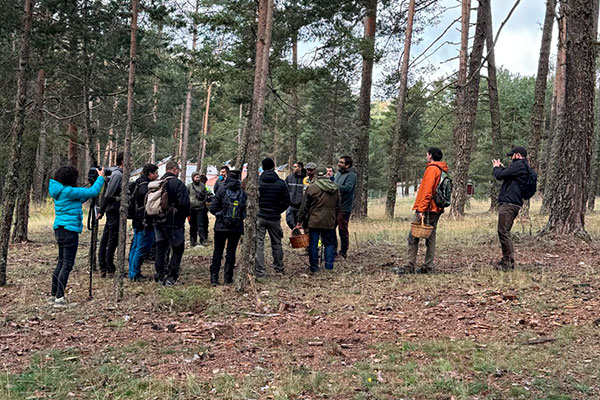
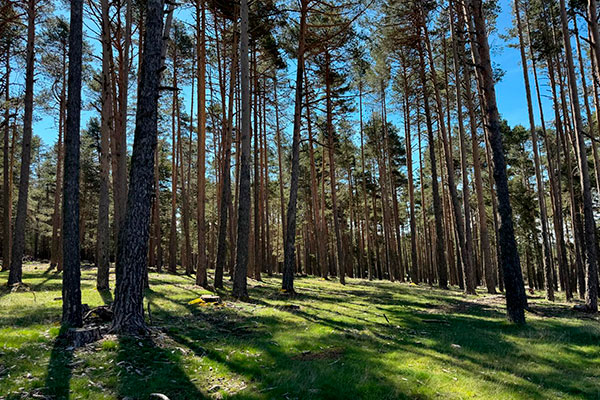
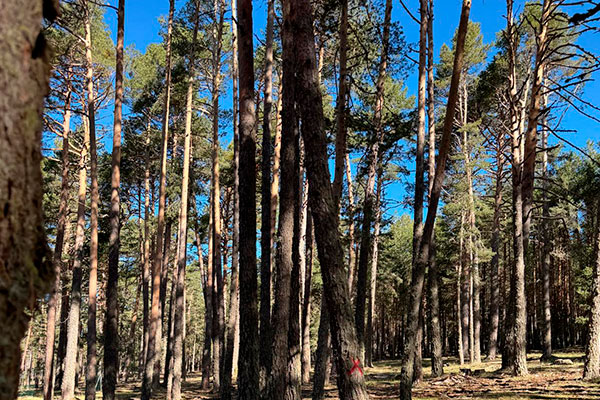
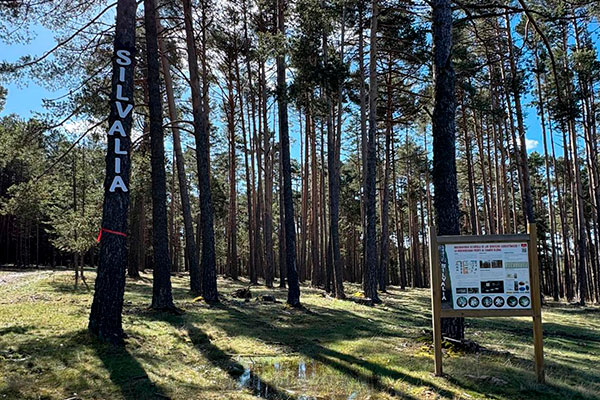
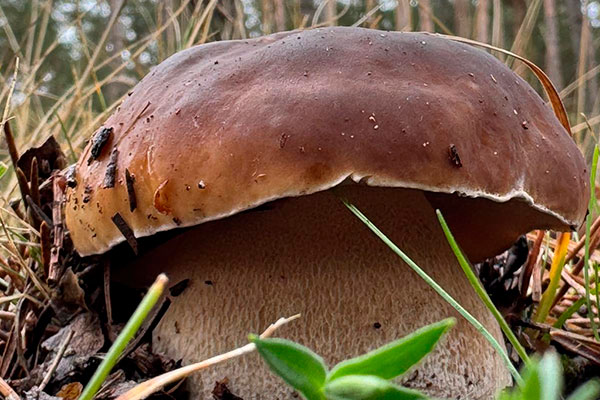
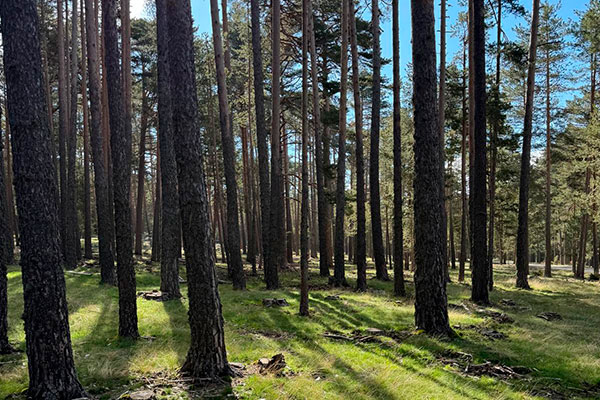
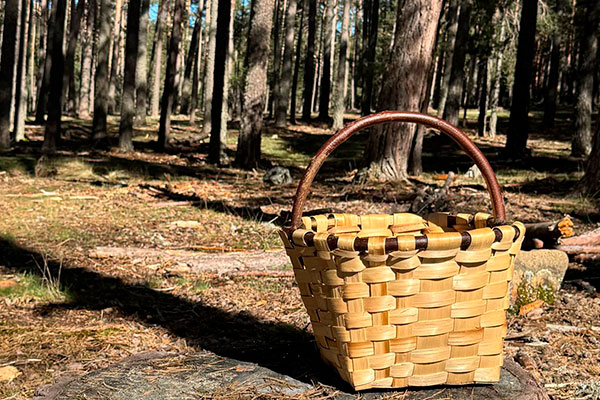
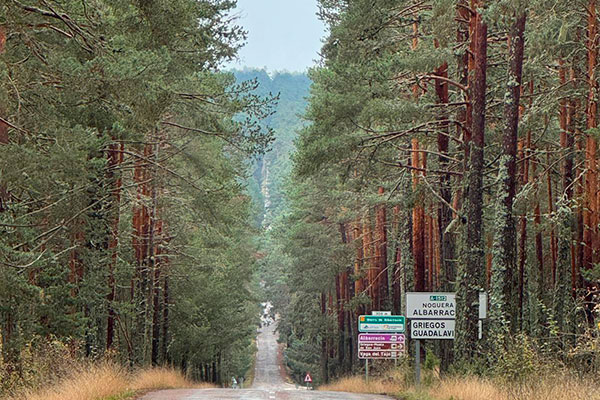
The mycological ecosystem of the Albarracín Community Mycological Park develops in a privileged environment, dominated by Scots and black pine forests, juniper groves, and sessile oak stands, creating ideal conditions for the fruiting of numerous mushroom species. The altitude, mountainous climate with cool, rainy summers, and siliceous soils favor high mycological diversity, including the high-value species mentioned earlier. This richness not only represents an important natural heritage but also serves as an indicator of the overall health of the forest ecosystems.
Mycological development in the region has become a strategic axis for economic diversification and rural sustainability. Through initiatives such as the Albarracín Community Mycological Park and the “Setas de Origen” brand, coordinated management has been promoted to utilize the resource without degrading it, encouraging responsible harvesting, research, and environmental education. At the same time, the rise of mycotourism and mycogastronomy has created new opportunities for hospitality, training, marketing, and processing of local products. This comprehensive approach links ecosystem conservation with the social and economic well-being of the inhabitants, establishing the Albarracín Community Mycological Park as a benchmark in the sustainable use of natural resources.
The mycological ecosystem of the territory is supported by a network of harvesters, processors, tourism agents, and local businesses. In 2018, 24,464 harvesters were registered, with a potential annual production of 1,800 tons. The maximum number of collection permits issued per year is 70,603. The main commercially traded species include the saffron milk cap (Lactarius deliciosus) with 730,816 kg, Boletus spp. totaling over 160,000 kg, and morels (Morchella spp.) with 123,692 kg.
Downloadable Documents
In this section, you will find downloadable documents containing all the necessary information about the Albarracín Mycological Park, including governance and management structure, research and innovation, Fungi Friendly Forest (FFF)® criteria, references, and other relevant information.