COMMITEE
This committee will bring scientific rigour to the actions proposed in the project and will be able to evaluate in detail the results obtained. This will provide an external view that will allow the actions to be tackled correctly.
The FFF quality label defines indicators of origin and commitment in each territory and recommends that they be evaluated by a specialised, independent scientific and technical committee which also advises and accompanies this process of improvement. The evaluation is carried out on the territory by checking a total of 49 indicators fully aligned with the strategy proposed in FUNGIVERSO and distributed in 3 major blocks:
a) Sustainable management of the mycological resource (orderly harvest management and mycoforestry).
b) The sustainable exploitation of mycological resources (mycotourism, agro-food development, territorial marketing).
c) Generation and exchange of knowledge about the mycological resource.
Participating experts:
Forest managers and owners of Mycological Parks, mycological associations, mycological companies, rural development agents, mycological restaurants and international scientists.
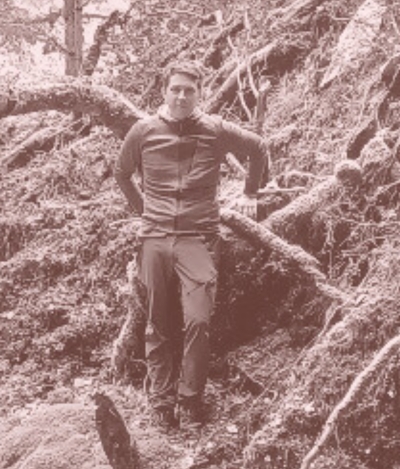
1. Alexandre Raimbault, University of Lérida/ CTFC
Postdoctoral researcher at the CTFC specialising in fungal ecology and sustainable forest management. His main line of research is the study of the consequences of forest management on fungal communities and their role in soil carbon sequestration.
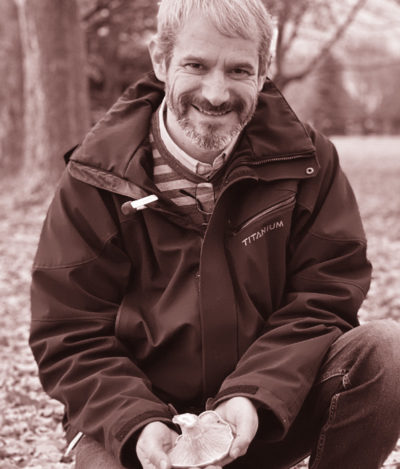
2. Alexis Guerin Laguette, EMI Scientific Committee, New Zealand
PhD from the University of Montpellier and mycologist with an outstanding international career in the study and cultivation of edible ectomycorrhizal fungi. He has led research on the sustainable production of truffles and wild mushrooms. Founder of Mycotree, an initiative that combines applied research and technology transfer, promoting scientific exchange and innovation in the mycological sector.
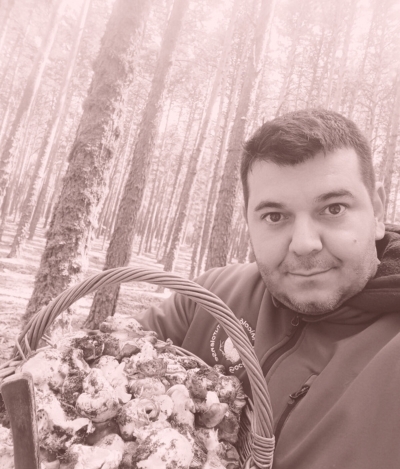
3. Benjamín Pardo, Sociedad Micológica Turolense
Representative of the Sociedad Micológica Turolense. This society, founded in the late 1980s, promotes mycological culture in Teruel. It organises talks, field trips and educational activities to spread knowledge about fungi, encouraging respect for biodiversity.
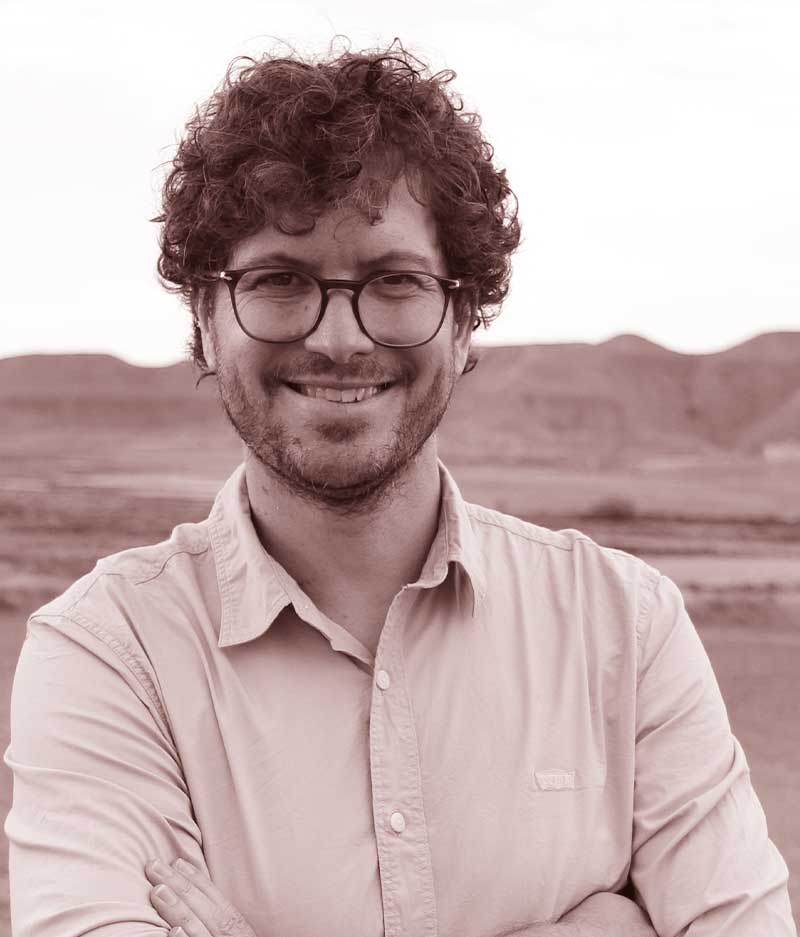
4. Chema Paraled, Dos Esferas Comunicación. Zaragoza
With a degree in History and a master's degree in Communication, he is co-founder of Dos Esferas Comunicación and director of the programme Tempero at Aragón TV. With more than 17 years of experience in agri-food communication, he has worked in media, documentaries and rural projects, standing out for his informative and audiovisual approach.

5. Cristina Aponte, INIA-CSIC. Madrid.
CSIC researcher at the Institute of Forest Sciences (INIA). PhD in Ecology, she studies plant-soil interactions, mycology and the effects of forest fires in Mediterranean ecosystems.

6. David Sorando, Servicio Provincial de Medio Ambiente de Teruel.
Technical forestry engineer in the Department of Agriculture, Livestock and Food. He works at the Provincial Environmental Service of Teruel.
Fernando Lapesa Lázaro, Servicio Provincial de Medio Ambiente de Teruel.
Head of the Forestry Management Section in the Department of Agriculture, Livestock and Food, within the Provincial Sub-Directorate for the Environment.
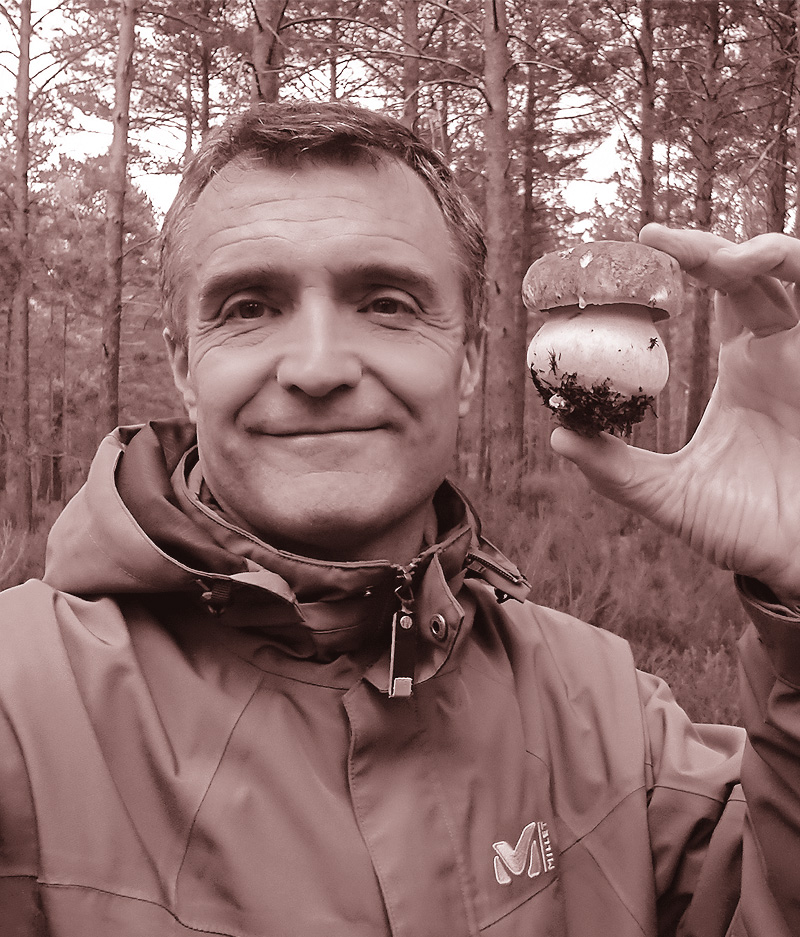
Fernando Martínez Peña, INIA-CSIC/EMI. Madrid/ Soria.
Researcher at the Centre for Food Quality (INIA-CSIC) and Director of the European Mycological Institute (EMI). Expert in applied mycology, he has promoted mycological initiatives and coordinated numerous research projects on edible fungi, their cultivation and sustainable management.
Gonzalo Castillo, Biodiversity Node. Teruel
Biologist specialising in biodiversity and environmental assessment. With experience in land use planning, he collaborates in BIODIVERSITY NODE applying scientific criteria to conservation, including mycological aspects in his ecological analyses.
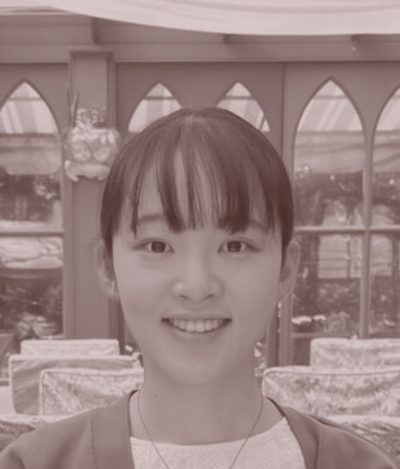
10. Haruka Kogawa, HOKUTO Japan
Haruka Kogawa is a researcher at the Mushroom Research Laboratory of Hokuto Co., Ltd. in Japan. She has been conducting research on the development of artificial cultivation techniques for Boletus hiratsukae under controlled conditions, as well as on breeding methods to improve the production efficiency of this fungus.
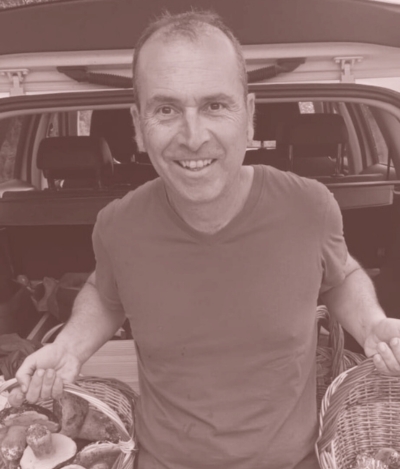
11. Iván Villalba, Quercus Aventura, Teruel.
Guide to Quercus Adventure and specialist in mycology and environmental education, develops and leads interpretative routes through the Sierra de Albarracín. His work focuses on the identification of fungal species, encouraging the conservation of the ecosystem and promoting environmental education applied in family contexts.
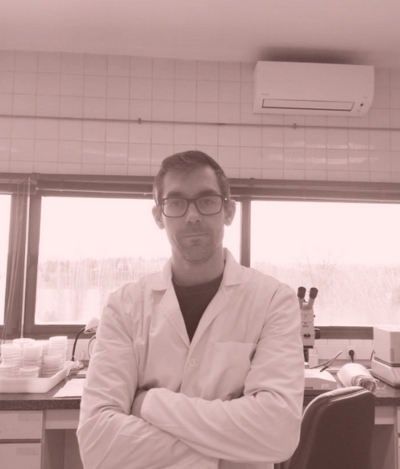
12. Jaime Carrasco, IRIAF, Cuenca.
Senior researcher at IRIAF-JCCM, specialising in cultivated fungi. PhD in applied mycology, he directs the Department of Ecology of Cultivated Fungi in Cuenca, focusing on microbiomes, fungal diseases and sustainability in mushroom cultivation.
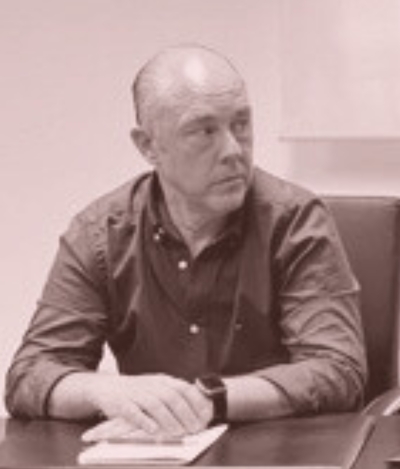
13. Javier Lafuente Jiménez, Comarca de Daroca. Zaragoza.
President of the Comarca Campo de Daroca and provincial deputy in the Diputación de Zaragoza. He leads rural development and inter-municipal cooperation initiatives, and chairs the Regional Commission of the Aragonese Federation of Municipalities, Regions and Provinces.
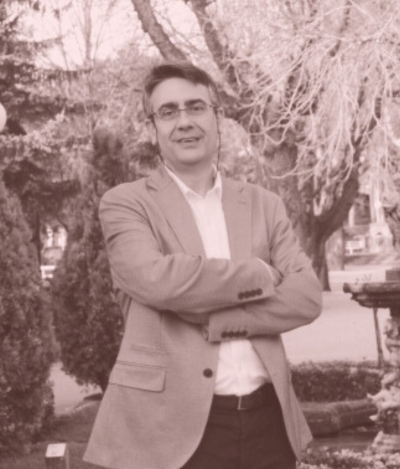
14. José Miguel García Asensio, EMI Legal Services.
Lawyer and Doctor in Law. He is a pioneer in the legal analysis of mycological exploitation in Spain. He has published key works on the legal regime of forest resources, integrating mycology and environmental law.
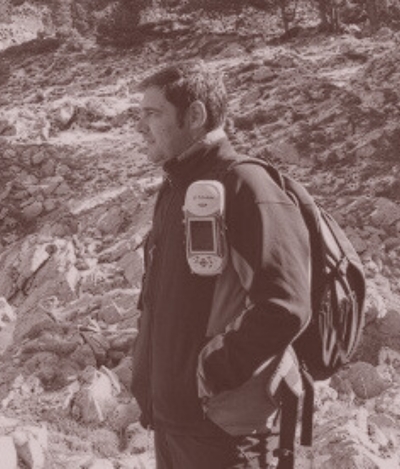
15. Luis Alberto Longares, University of Zaragoza.
Professor at the University of Zaragoza, expert in physical geography, climate change and land use planning. He conducts research at the IUCA on climate, cartography and natural systems, and has directed scientific documentaries on the environment and conservation.
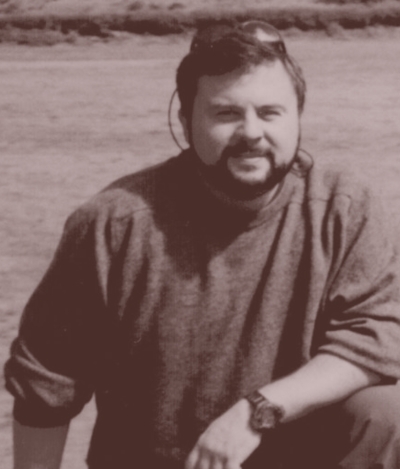
16. Luis G García Montero, Universidad Politécnica de Madrid.
Researcher at the Polytechnic University of Madrid, specialising in forest restoration, remote sensing and applied mycology. His work has focused on the study of ectomycorrhizae, GIS and environmental management in Mediterranean and arid areas, collaborating in international projects on forest sustainability.

17. Mari Cruz Aguilar, Diario de Teruel.
Graduate in Journalism from the University of the Basque Country. Editor at Diario de Teruel since 2001, specialising in the "Comarcas" section. She has received literary awards for her short stories and stands out for making rural life and a hollowed-out Spain visible.
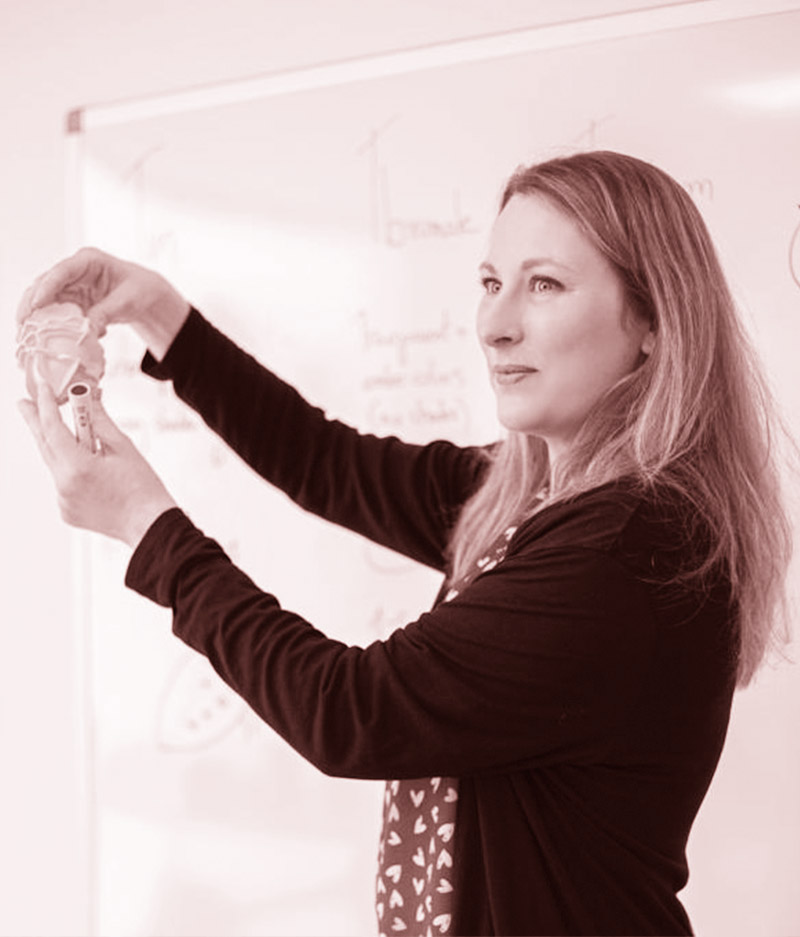
María Martín Santafe, CITA Teruel.
Researcher at the Centro de Investigación y Tecnología Agroalimentaria de Aragón (CITA). Her career is focused on truffle growing and mycology, addressing both wild resource management and truffle cultivation in plantations. His approach combines applied science, technical training and knowledge transfer to the truffle sector, actively contributing to the sustainable development of this crop.
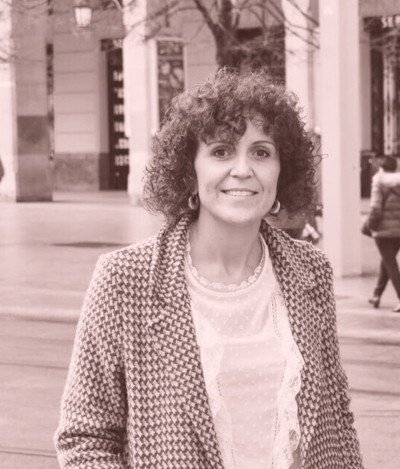
19. Maribel Guardiola, Dos Esferas Comunicación. Zaragoza.
Agri-food journalist, she is co-founder of Dos Esferas Comunicación. With more than 17 years of experience in media such as Aragón TV, she stands out in scriptwriting, audiovisual production and rural communication. Specialist in communication in the primary sector, she designs strategies for companies, administrations and research projects.
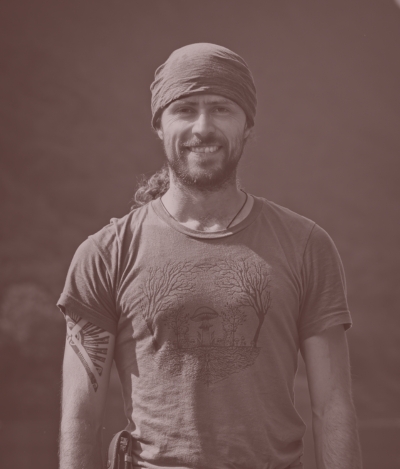
Mathias Rocheleau-Duplain, Mycosphaera, Canada.
Bioecologist and director of Mycosphaera, the first non-profit organisation in Canada dedicated to fungal conservation. Specialised in entomopathogenic organisms and molecular mycology, he promotes scientific education, conducts fungal inventories and leads collaborative networks to protect fungal biodiversity.
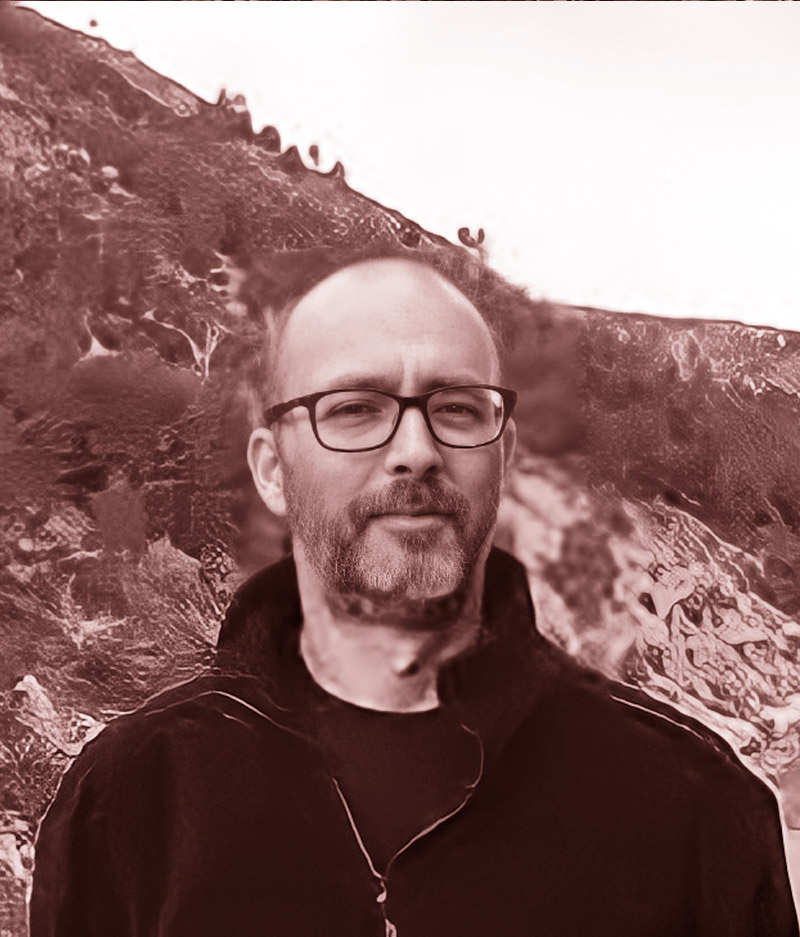
21. Miguel Gimeno, Sylvesterra.Teruel.
Guía de ecoturismo, divulgador micológico y CEO de Cesta y Setas. Fundador de Sylvesterra, ha dirigido revistas, impartido conferencias y colaborado en medios nacionales. Promueve la educación ambiental y el micoturismo, participando en eventos y proyectos de conservación fúngica en la Sierra de Albarracín.
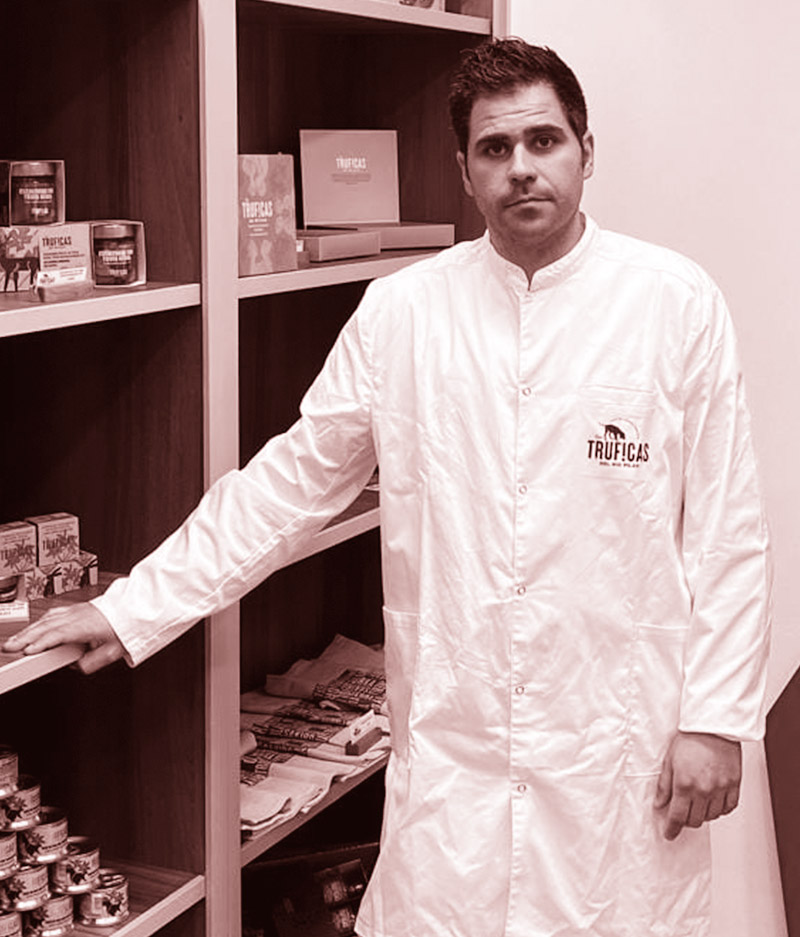
22. Neftali Velilla, Truficas del Río Pilas, Teruel.
Responsable de I+D en Las Truficas del Río Pilas. Con amplia experiencia en hostelería y desarrollo de productos agroalimentarios, destaca por su compromiso con la calidad, el producto Km0 y la innovación en el sector agroalimentario.
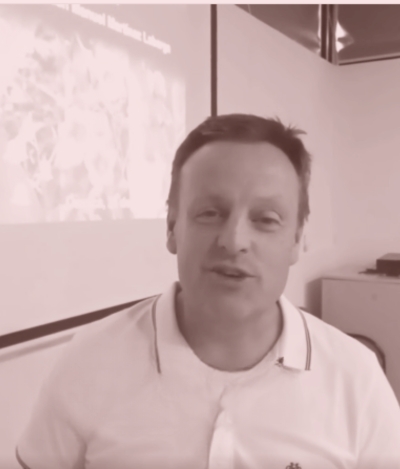
23. Óscar García Cardo, IRIAF, Cuenca.
Ingeniero de montes y doctor en Ciencias, desarrolla su trayectoria profesional en el IRIAF-JCCM en Cuenca. Especialista en flora y micología, ha trabajado sobre biodiversidad vegetal y hábitats micológicos. Es coautor de la Guía de setas de la provincia de Cuenca y divulgador ambiental.
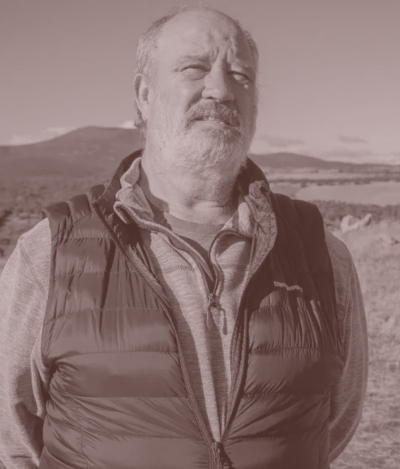
24. Pedro Aparicio, Ayuntamiento de Orcajo. Zaragoza.
Alcalde de Orcajo (Zaragoza), impulsor de la gestión sostenible de recursos micológicos en su municipio. Promotor del Parque Micológico de Orcajo y activo divulgador, organiza jornadas sobre micología y defiende su conservación frente al cambio climático.
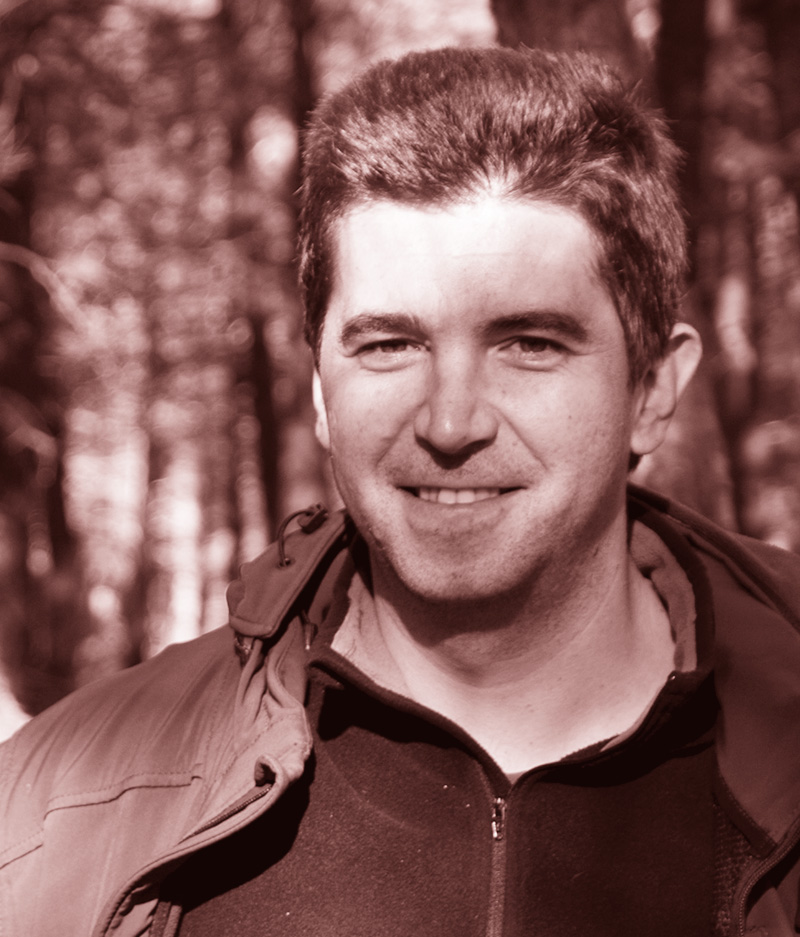
25. Ricardo Forcadell, Qilex.Teruel.
Ingeniero de montes, es experto en truficultura y gestión forestal. Fundador de Qilex Soc. Coop., ha participado en proyectos como el Parque Micológico de Albarracín y MicoAragón, centrados en la valorización sostenible de los recursos micológicos y el desarrollo rural en Aragón.
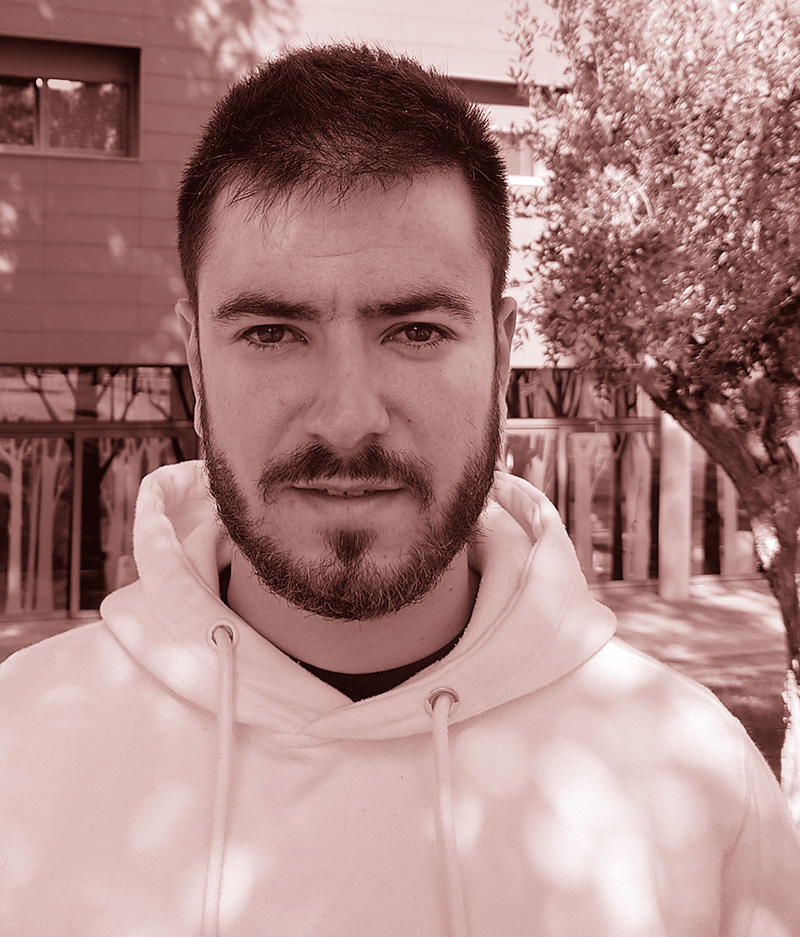
26. Rubén Escribano, MicoAragón.
Geógrafo y doctorando en Medio Ambiente por la Universidad de Zaragoza. Especialista en teledetección y SIG, investiga la gestión sostenible de hongos comestibles. Coordina proyectos en MicoAragón, con participación en congresos, publicaciones científicas y desarrollo territorial.
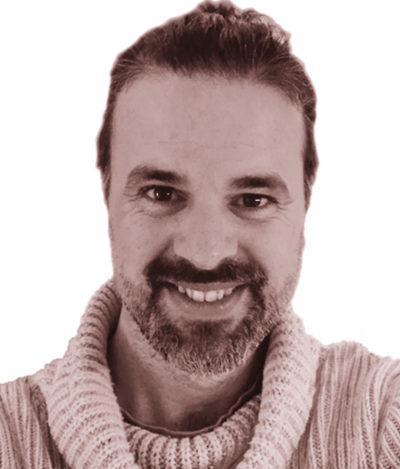
27. Sergio de Miguel, Universidad de Lérida/ CTFC.
Investigador del CTFC y profesor en la Universidad de Lleida, con experiencia internacional en modelización de ecosistemas forestales. Especialista en biodiversidad y servicios ecosistémicos, ha participado en numerosos proyectos europeos. Es docente en diferentes programas universitarios sobre silvicultura y gestión forestal mediterránea.
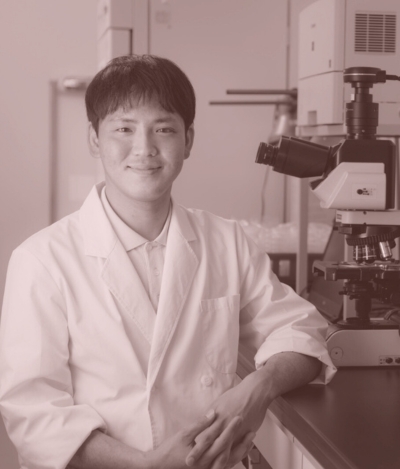
28. Shota Nakano, HOKUTO Japón.
Doctor por la Universidad de Tottori, es investigador en el Mushroom Research Laboratory de HOKUTO Corporation. Especializado en hongos ectomicorrícicos, trabaja en el cultivo de hongos y mejora de cepas mediante técnicas fisiológicas, genéticas y ecológicas para su aplicación forestal y agroalimentaria.
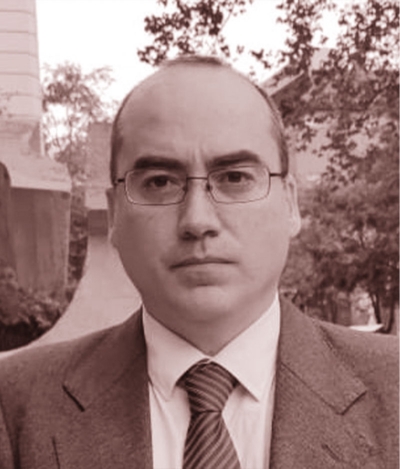
29. Víctor Hernández Andrés, Universidad de Valladolid.
Profesor asociado en la Universidad de Valladolid, especializado en economía aplicada. Desarrolla su labor docente e investigadora en la Facultad de Ciencias Empresariales y del Trabajo de Soria, participando en proyectos académicos relacionados con análisis económico y desarrollo territorial.
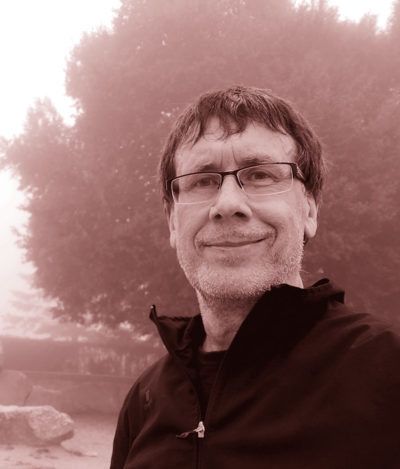
30. Xavier Parladé, IRTA, Barcelona.
Doctor en Biología y máster en Micología por la UAB, investiga desde 1987 en el IRTA sobre hongos ectomicorrícicos comestibles y su aplicación en reforestación y protección vegetal sostenible. Ha liderado proyectos nacionales e internacionales sobre micología aplicada y microbioma del suelo.