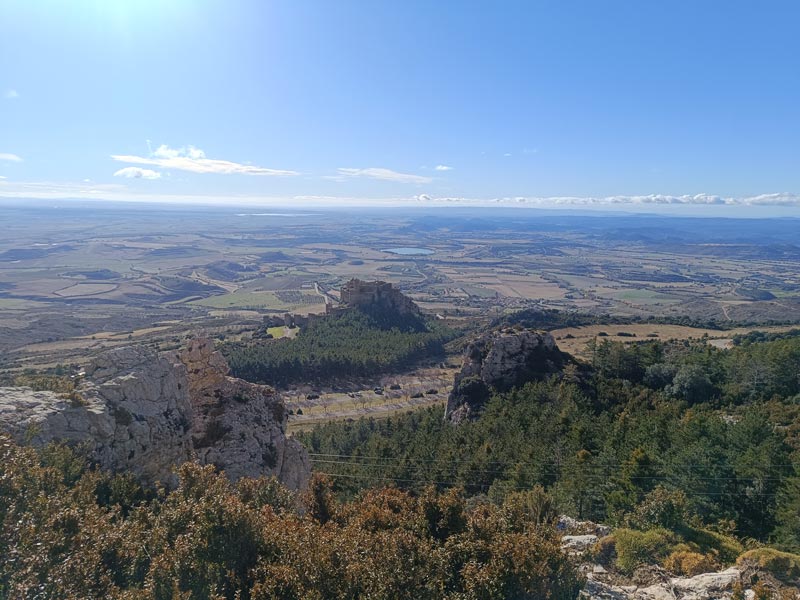
Near the Loarre Castle, dense stands of Laricio pine have been managed to improve forest structure and reduce wildfire risk. This area, known for its high production of Lactarius deliciosus (saffron milk caps), is part of a regulated zone for mycological harvesting. The intervention involves thinning the trees, which will help maintain mushroom production and improve forest health. Additionally, existing infrastructure will be used to carry out wood extraction efficiently and sustainably.
San Martín de la Virgen del Moncayo (8,23 ha)
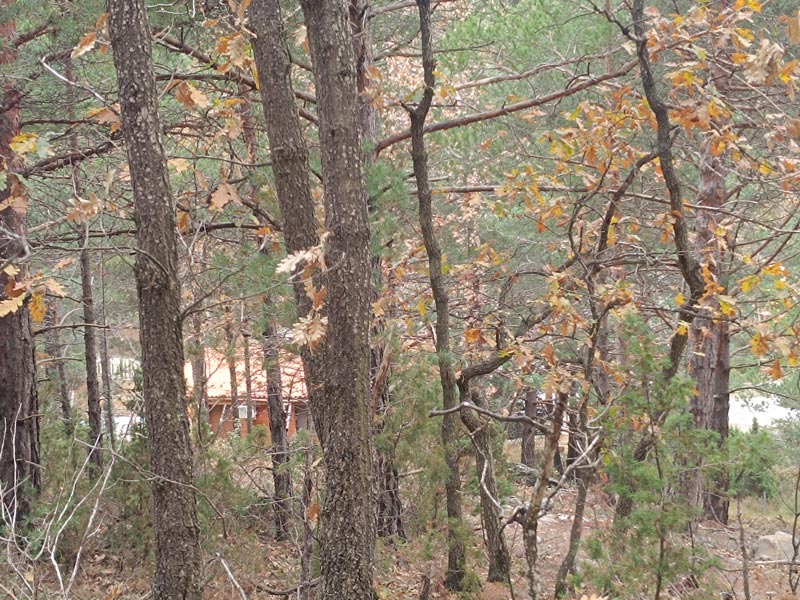
Near the San Martín residential area, work continues to reduce wildfire risk and improve forest health. This area is highly valued by harvesters for species such as Amanita caesarea, Boletus aereus, Lactarius deliciosus, and Craterellus cornucopioides. The intervention involves thinning the pine forest, pruning, and pollarding holm oaks and sessile oaks. This promotes mushroom production, enhances biodiversity, and creates a safer environment for the nearby population.
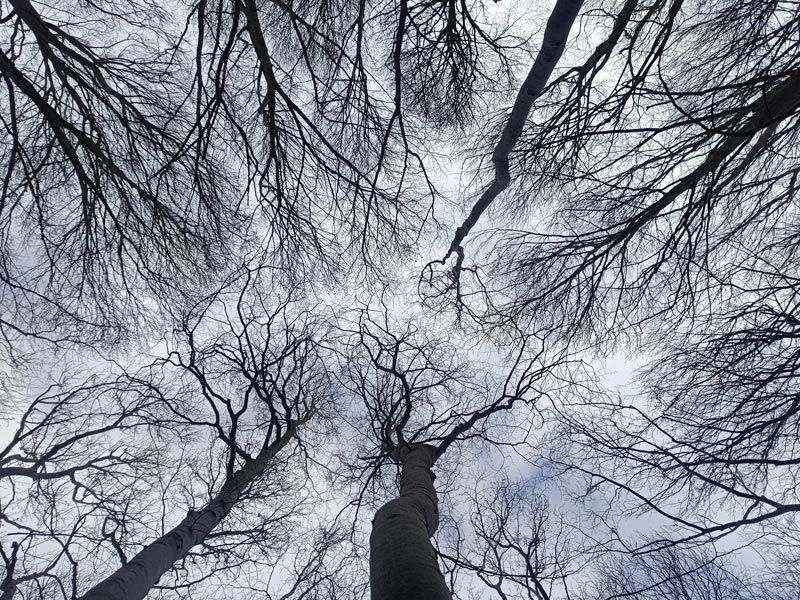
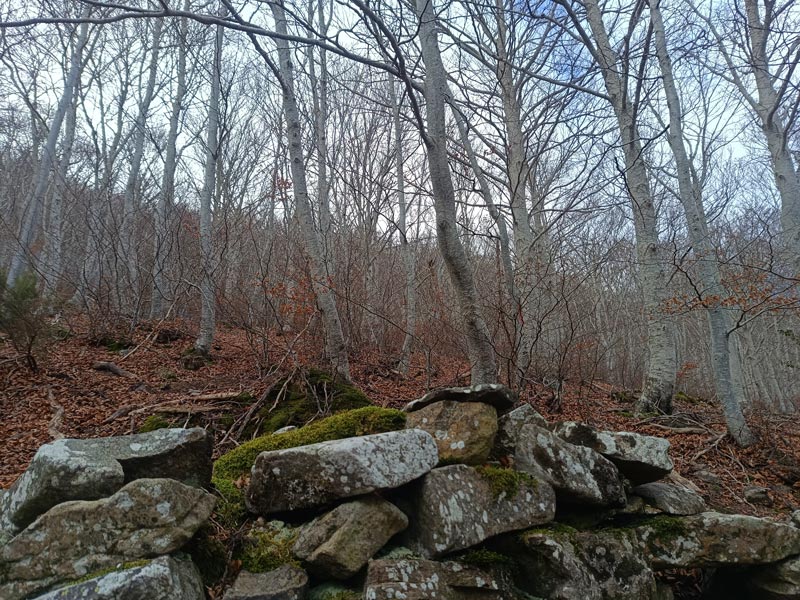
In the La Morana area, near the nature interpretation center, work has been carried out in beech forests that are true mycological treasures, abundant in species such as black trumpets, chanterelles, and boletes. The intervention involves selective pollarding, thinning weaker shoots so that the stronger trees can grow better. This improves forest structure, enhances light and natural regeneration, and ensures that this habitat remains a prime location for biodiversity and mushroom production.
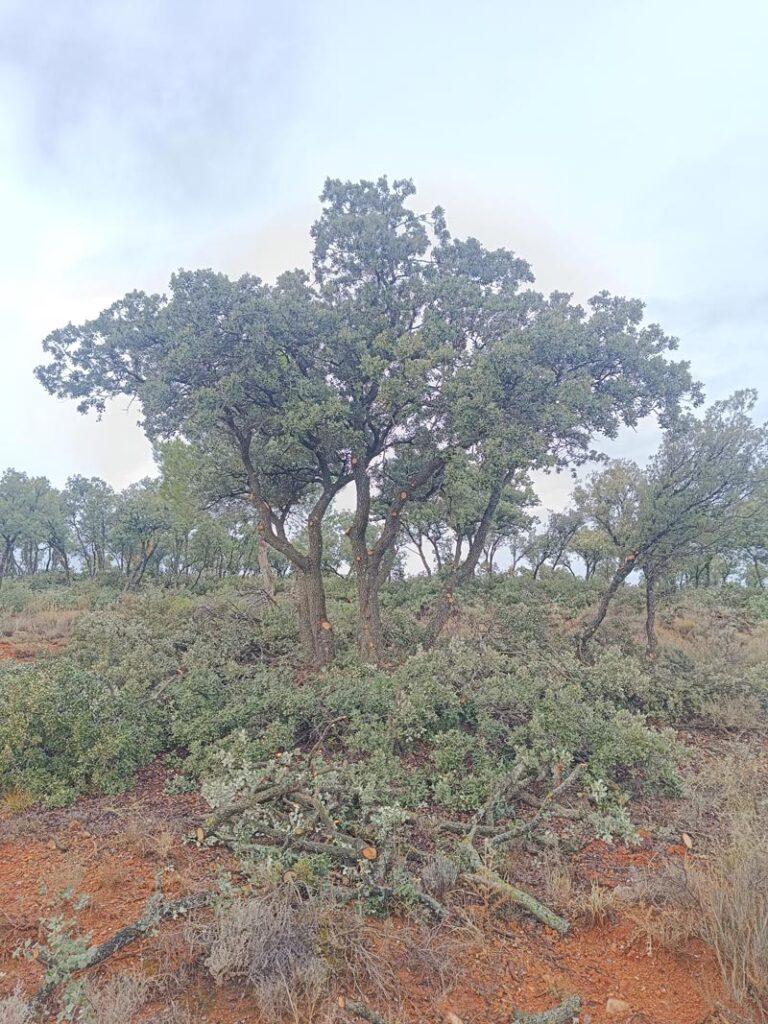
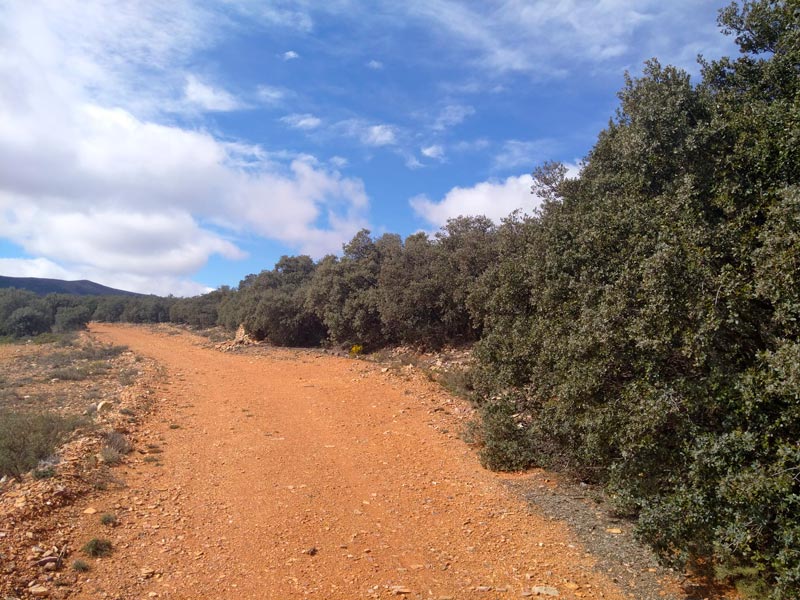
On both sides of a path in an area known for the production of Amanita caesarea, work has been carried out to improve the structure of the holm oak forest. The intervention involved selective pollarding, removing weaker shoots so that the more vigorous ones can grow better. This promotes light penetration, reduces competition, and maintains forest health, ensuring that it remains an ideal space for biodiversity and mushroom production.
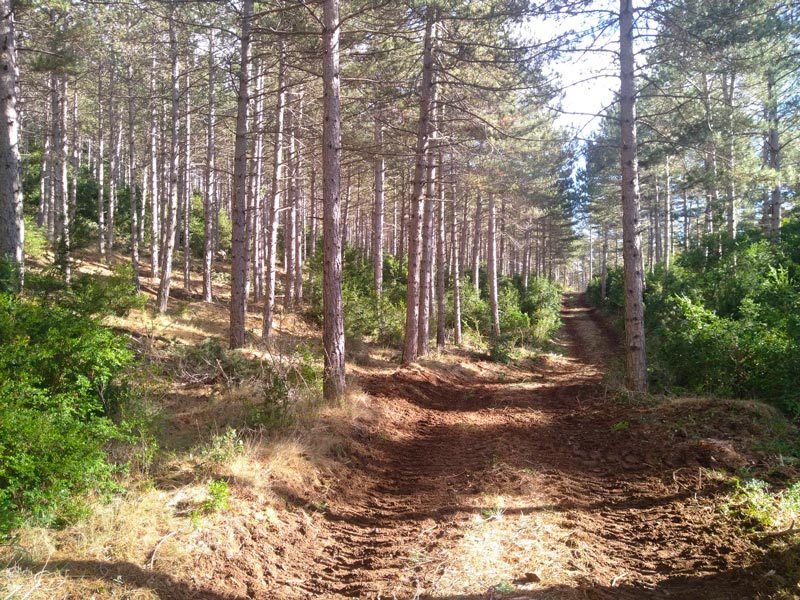
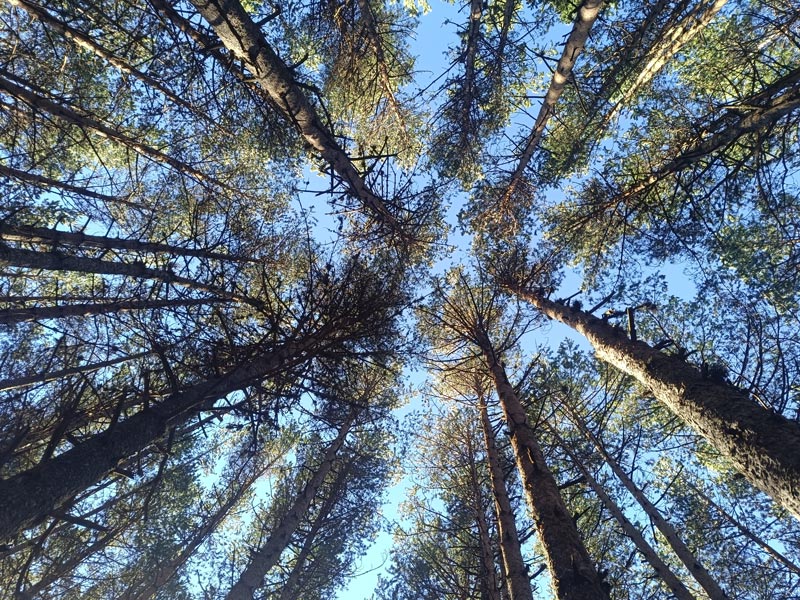
In this area, known for its excellent production of Lactarius deliciosus and Hygrophorus latitabundus, thinning has been carried out in replanted pine forests to improve structure and reduce wildfire risk. The intervention involves removing some trees to achieve optimal forest density. This enhances mushroom production, improves forest health, and ensures sustainable wood management.
In this area, we will work to conserve and restore natural truffle habitats, spaces where the prized black truffle grows in symbiosis with oak species. The intervention involves creating clearings, reducing competing vegetation, and improving forest structure so that light and soil conditions favor truffle development. Additionally, transition zones have been established, and production has been enhanced with new truffle plantings. This helps restore a unique resource that brings biodiversity, economic value, and tradition to the region.



 English (UK)