LOARRE MYCOLOGICAL PARK
The Loarre Mycological Park, located in the province of Huesca (Aragón, Spain), submits its application for membership in the Fungi Friendly Forest® (FFF) Network.
This application is part of the sustainable management model for fungal resources and territorial valorization promoted by the Government of Aragón, local entities, and the local population.
With a harvestable area of 2,866 hectares, the park will become a benchmark for the regulation, utilization, and promotion of mycological resources in Aragón, both for its tourist appeal and its management system structured around Decree 179/2014 of November 4, issued by the Government of Aragón, which regulates the collection and use of wild mushrooms in forested areas.
Description of the Mycological Territory
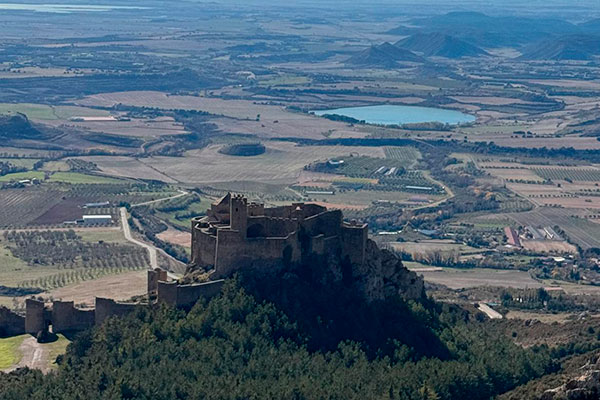
The Loarre Mycological Park will be located in Loarre, a pre-Pyrenean municipality characterized by a transitional landscape between plains and mountains, combining agricultural areas, pastures, and extensive forests. It lies at the foot of the Sierra de Loarre and Sierra Caballera, near the iconic Loarre Castle. The climate features cold winters and mild summers, with seasonal humidity episodes that favor fungal fruiting.
From a forestry perspective, the municipality hosts significant stands of Aleppo pine (Pinus halepensis) in the lower areas and black pine (Pinus nigra) and Scots pine (Pinus sylvestris) at higher elevations. In the more humid and north-facing areas, sessile oaks (Quercus faginea) and Pyrenean oaks appear, along with shrubby enclaves of junipers and savin junipers. This combination of forest formations creates ecological diversity favorable to high-value, edible mushroom species such as Lactarius deliciosus, Boletus aestivalis, Boletus edulis, Macrolepiota procera, Cantharellus cibarius, and Morchella esculenta. Traditional forest management, focused on timber harvesting, along with seasonal mushroom collection, forms part of the local knowledge historically transmitted in the area.
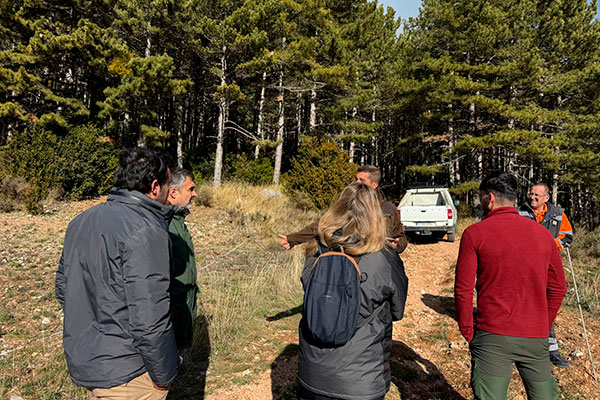
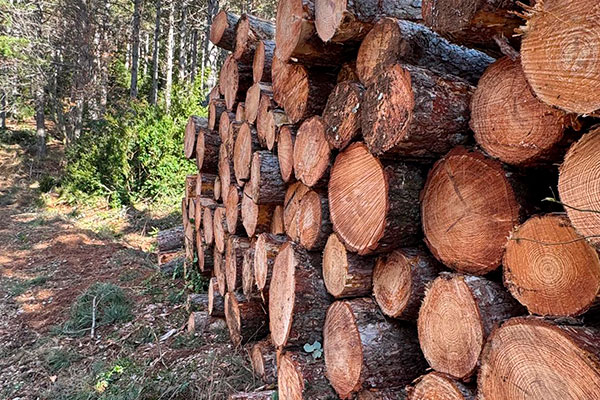
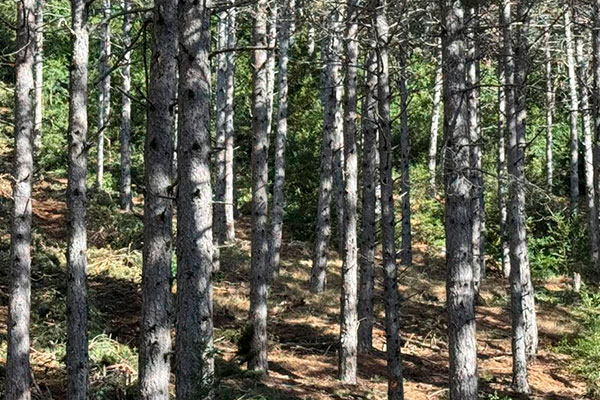
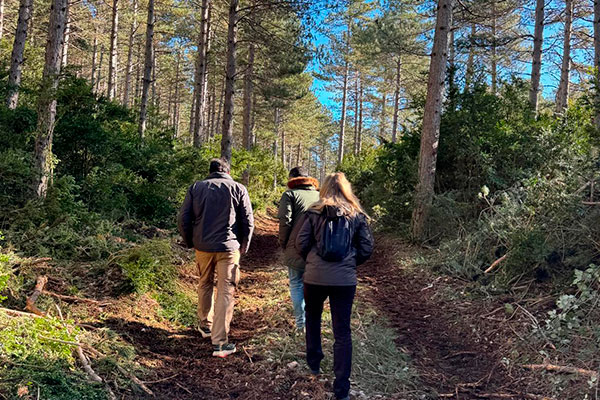
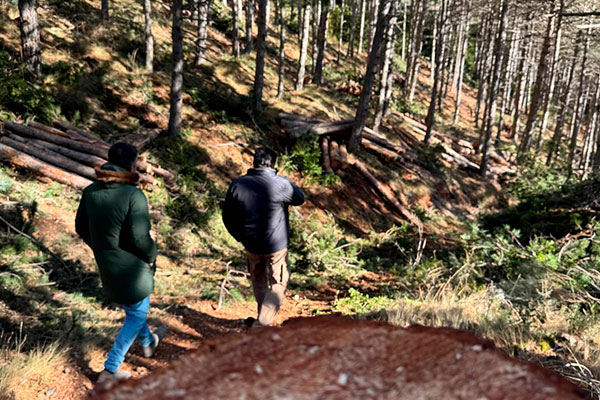
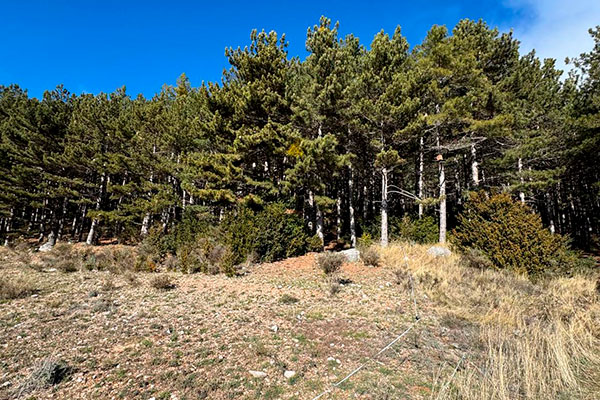
Mushroom production in the Loarre Mycological Park is directly linked to the dynamics of a Mediterranean mountain or continentalized Mediterranean climate: autumn rainfall, temperature contrasts, calcareous soils, and well-structured forest stands. Aleppo pine forests are mainly associated with species of recreational interest, such as Lactarius spp., while black pine and Scots pine forests host species of higher commercial value, particularly Boletus spp. and Cantharellus cibarius. Transition zones toward Mediterranean shrublands concentrate early fruiting, while north-facing slopes of the mountains extend the season in wet years.
In recent years, local and regional initiatives have intensified to manage and valorize the territory’s mycological potential as opportunities for rural development. Joining the MicoAragón Association, promoting mycological routes, organizing training sessions, interpretive activities, and mycogastronomy in local establishments have laid the foundations for a tourism product linked to mycology. These measures strengthen the balance between outreach, environmental education, and sustainable use.
Downloadable Documents
In this section, you will find downloadable documents containing all the necessary information about the Loarre Mycological Park, including governance and management structure, research and innovation, Fungi Friendly Forest (FFF)® criteria, references, and other relevant information.